
גאורגים ויהודים — 26 מאות שנים של היסטוריה משותפת, ידידות ומורשת חיה
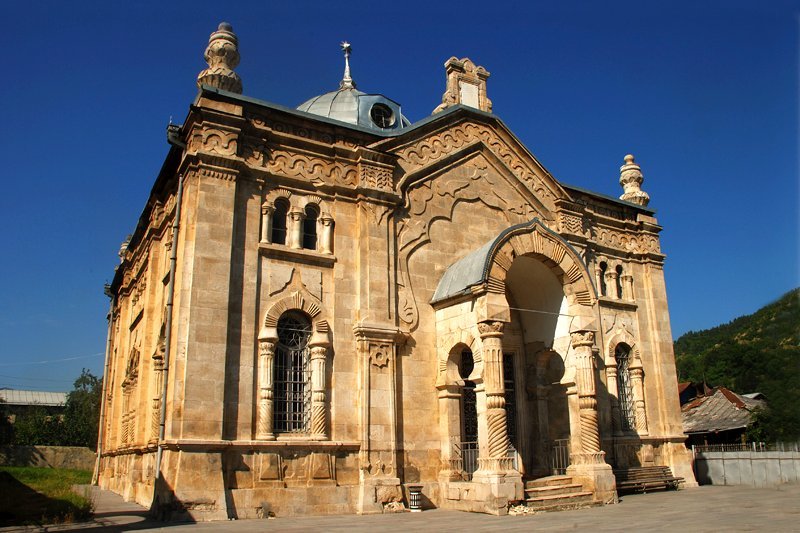
מקורות היסטוריים, תגליות ארכאולוגיות, חוקרים וסיפורים אנושיים — ממצחתה ועד אוני, מכותאיסי ועד אחאלציחה: כ-2,600 שנות היסטוריה של חיים משותפים בין גאורגים ליהודים.
מקורות היסטוריים, תגליות ארכאולוגיות, חוקרים וסיפורים אנושיים
מאת: Sakartvelo Tours
כשמדברים על ההיסטוריה היהודית בגאורגיה, שומעים לא פעם את הביטוי — "26 מאות של ידידות".
זהו ביטוי מרשים, אך מאחוריו ניצבת היסטוריה מרתקת ומורכבת בהרבה.
כרוניקות גאורגיות עתיקות, ממצאים ארכאולוגיים, כתובות בעברית ובארמית, בתי כנסת, בתי עלמין, חומרים אתנוגרפיים ומחקריהם של חוקרים בני זמננו מעניקים לנו הזדמנות לחזות בעקבות החיים היהודיים בגאורגיה לאורך תקופות שונות.
בד בבד, כבוד לאמת ההיסטורית מחייב אותנו להבחין בין מה שמספרת המסורת ההיסטורית הגאורגית העתיקה לבין מה שמוכח באופן ישיר ומובהק באמצעות עדויות חומריות.
בדיוק בגישה זו נבקש לספר את הסיפור הזה.
זהו זיכרון היסטורי שנרקם לאורך כ-2,600 שנה — סיפור של חיים בצוותא, הפריה תרבותית הדדית, תקופות מאתגרות, שכנות טובה וידידות אמיצה בין גאורגים ליהודים.
---
מאיפה מגיע הביטוי "26 מאות"?
המסורת ההיסטוריוגרפית הגאורגית קושרת את הגעת היהודים לגאורגיה לתקופה קדומה ביותר.
על פי האנציקלופדיה הלאומית של גאורגיה, ההיסטוריון וחוקר הגאוגרפיה וחשט בטונישווילי ייחס את הגעתם הראשונה של היהודים לסוף המאה ה-8 לפנה"ס.
לעומתו, לאונטי מרובלי קשר את בואם לסוף המאה ה-6 לפנה"ס — סביב שנות ה-580 לפנה"ס.
תאריך שני זה חופף בקירוב לתקופת כיבוש ירושלים וחורבן בית המקדש הראשון בידי נבוכדנצר השני, מלך בבל.
לפי המסורת ההיסטורית הגאורגית, חלק מגולי ירושלים הגיעו לחבל כארתלי והתיישבו בסביבות מצחתה.
מכאן צמח החישוב המסורתי של כ-26 מאות שנות היסטוריה יהודית על אדמת גאורגיה.
האנציקלופדיה הלאומית של גאורגיה מציינת גל הגירה מרכזי נוסף — לאחר שנת 70 לספירה בקירוב, בעקבות המרד הגדול נגד הרומאים וחורבן בית המקדש השני.
מסורת היסטורית או עובדה מוכחת?
כאן חשוב לערוך הבחנה מהותית.
הסיפור אודות ההתיישבות היהודית הראשונה בגאורגיה במאה ה-6 לפנה"ס נשען על מסורת היסטורית גאורגית עתיקה. לתאריך ספציפי זה אין בידינו כיום אישוש ארכאולוגי ישיר.
החוקר גרשון בן-אורן, מגדולי חוקרי ההיסטוריה של יהדות גאורגיה, ציין מפורשות כי הידיעות על התקופות המוקדמות מועטות, וכי עד למאה ה-18 התמונה ההיסטורית נשענת בעיקר על תעודות כתובות בודדות, מסורות שבעל פה, ספרי מסעות וממצאים ארכאולוגיים מוגבלים.
משום כך, מבחינה אקדמית מדויק יותר לקבוע: נוכחות של כ-2,600 שנה היא מסורת היסטורית גאורגית איתנה ומושרשת, בעוד שעבור התקופות המאוחרות יותר קיימות כבר ראיות חומריות וכתובות מוצקות.
הבחנה זו אינה מחלישה את עוצמת הסיפור — להפך, היא הופכת אותו למהימן ואמין עוד יותר.
---
כשההיסטוריה מתחילה לדבר מתוך האדמה
לצד המקורות הכתובים, לארכאולוגיה חשיבות מכרעת.
כתובות יהודיות-ארמיות וממצאים ארכאולוגיים נוספים שנחשפו בגאורגיה מוכיחים בבירור כי בשלהי העת העתיקה התקיימה בגאורגיה אוכלוסייה יהודית מאורגנת.
מקום של כבוד שמור כאן למצחתה. עיר הבירה העתיקה של גאורגיה לא הייתה רק מרכז הממלכתיות והנצרות הגאורגית, אלא גם צומת מפגש של תרבויות שונות.
הממצאים האפיגרפיים והארכאולוגיים מאזור מצחתה ואורבניסי מהווים את אחד המקורות החומריים החשובים ביותר להבנת ההיסטוריה היהודית-גאורגית.
במצחתה נפגשות המסורת ההיסטורית והארכאולוגיה באופן המוחשי ביותר.
---
יהודי מצחתה בזיכרון ההיסטורי הגאורגי
המסורת הנוצרית הגאורגית מייחסת אף היא משקל רב לקהילה היהודית במצחתה.
אחד הסיפורים הידועים ביותר נקשר באליעוז ממצחתה. על פי המסורת הכנסייתית הגאורגית, שהה אליעוז בירושלים בזמן צליבת ישו ולאחר מכן שב למצחתה. בהמשך נקשר סיפור זה לגלימת ישו ולהקמת קתדרלת סווטיצחובלי.
מבחינה מחקרית, אין להציג מסורת דתית שכזו כאירוע מוכח ארכאולוגית. אולם עצם קיומה נושא משמעות רבה: הקהילה היהודית נוכחת ברבדים העמוקים ביותר של הזיכרון הלאומי והדתי של גאורגיה.
---
מה אומרים החוקרים?
המחקר המודרני של יהדות גאורגיה תפס תנופה משמעותית משלהי המאה ה-19 ולאורך המאה ה-20.
אחד החוקרים החשובים בתחום הוא גרשון בן-אורן (גרשון ציצואשווילי), היסטוריון וחוקר בן הקהילה. חיבורו The History of the Jews of Georgia Until the Communist Regime הוא מאבני היסוד במחקר ההיסטוריה היהודית בגאורגיה.
על פי הערכתו של בן-אורן, המקורות לתקופה הקדומה מקוטעים, בעוד שמהמאה ה-18 התמונה הופכת לבהירה ומפורטת בהרבה הודות לעלייה ניכרת במספר המסמכים הרשמיים.
גישתו חשובה במיוחד מכיוון שהיא מנחילה יחס ביקורתי ומדעי: יש לשמר את המסורת, אך אין לערבב בינה לבין היסטוריה המוכחת במסמכים.
זוהי הגישה המנחה גם אותנו בכתיבת סקירה זו.
החוקרים חקרו גם את חיי היומיום
היסטוריה אינה מורכבת רק ממלכים, מלחמות ותאריכים.
כיצד התלבשו יהודי גאורגיה? כיצד נראו חיי המשפחה שלהם? באילו תשמישי קדושה השתמשו? איך עוצבו בתיהם? אילו מנהגים אפיינו אותם?
כדי לענות על שאלות אלו, למחקרים האתנוגרפיים של המאה ה-20 חשיבות עליונה.
בשנים 1933–1936 נערכו משלחות מחקר מדעיות מיוחדות באזורים שבהם התגוררו יהודים בריכוזים גבוהים בגאורגיה. החוקרים אספו:
- תצלומים היסטוריים;
- רישומים ואיורים;
- תשמישי קדושה;
- קמעות;
- ביגוד מסורתי;
- פולקלור;
- כלי בית וחפצי יומיום;
- עדויות אתנוגרפיות מפורטות על אורחות החיים.
חלק ניכר מן הממצאים שנאספו במשלחות אלו שמור כיום באוספי המוזיאונים המוקדשים למורשת יהדות גאורגיה.
בית כנסת עתיק מראה לנו היכן התפללו; האוסף האתנוגרפי מגלה לנו כיצד הם חיו.
---
החיים היהודיים בגאורגיה של ימי הביניים
קהילות יהודיות התקיימו באזורים שונים של גאורגיה לאורך מאות שנים. יהודים התגוררו בערים ובכפרים, נטלו חלק במסחר, במלאכת יד ובכלכלה המקומית.
הסביבה הגאורגית והמסורת הדתית היהודית השתלבו בהדרגה לכדי חיבור ייחודי. כך התעצבה זהותו המיוחדת של היהודי הגאורגי: אדם הנאמן לחלוטין ליהדותו ולמורשת אבותיו, ובו בזמן קשור עמוקות לשפה, לתרבות ולחברה הגאורגית.
לכן, חקר התרבות היהודית-גאורגית אינו רק חקר של "קהילה זרה החיה בגאורגיה", אלא חלק בלתי נפרד מחקר ההיסטוריה של גאורגיה עצמה.
---
כותאיסי — עיר שבה ההיסטוריה היהודית גלויה ברחובות עד היום
במערב גאורגיה, כותאיסי שימשה כאחד המרכזים התוססים והמשמעותיים ביותר של החיים היהודיים.
באזור רחוב בוריס גפונוב ושכונת מצוואנקוואווילה התפתח הרובע היהודי ההיסטורי. עד היום ניצבים כאן בסמיכות שלושה בתי כנסת:
- בית הכנסת משנת 1852;
- בית הכנסת הגדול משנת 1886;
- בית הכנסת משנת 1912.
בית הכנסת הגדול משנת 1886 נחשב לשני בגודלו בגאורגיה כולה.
מבנים אלה אינם רק פניני ארכיטקטורה, אלא עדים חומריים לתקופה שבה פעלה בכותאיסי קהילה יהודית חזקה ומאורגנת להפליא.
בוריס גפונוב — גשר בין התרבות הגאורגית לעברית
אחת הדמויות המרתקות הקשורות בהיסטוריה של כותאיסי היא בוריס גפונוב, אשר תרגם את יצירת המופת של שוטה רוסתוולי, "עוטה עור הנמר", מגאורגית לעברית.
לתרגום זה משמעות סמלית עמוקה: אחד מנכסי צאן הברזל של הספרות הלאומית הגאורגית הונגש לעולם היהודי והעברי דווקא בזכות עמלו של יהודי גאורגי.
---
קולאשי — המקום שאליו שב הזיכרון
העיירה קולאשי, השוכנת לא רחוק מכותאיסי, היא מוקד מרכזי נוסף במורשת יהדות גאורגיה.
מקורות היסטוריים מעידים כי בשלהי המאה ה-17 התיישבו בכפר שבע משפחות יהודיות. עם השנים צמחה הקהילה במידה ניכרת. בקולאשי פעלו מספר בתי כנסת, והעיירה הוסיפה לשמש מרכז יהודי בולט גם במהלך המאה ה-20.
עד היום השתמרו במקום:
- בית כנסת מהמאה ה-18;
- בית כנסת עץ גדול מראשית המאה ה-20;
- מבנה בית הספר הדתי לשעבר (חדר);
- בית העלמין היהודי.
להיסטוריה המודרנית של קולאשי ממד מרגש נוסף: יוצאי העיירה שעלו לישראל וצאצאיהם ממשיכים לפקוד את המקום ואת בתי אבותיהם.
משום כך, קולאשי איננה סתם "רובע יהודי שהתרוקן", אלא מקום חי שהזיכרון המשפחתי ממשיך לפעום בו.
---
בנדזה — מורשת יהודית בסמגרלו
גם בחבל סמגרלו התקיימה קהילה יהודית בעלת חשיבות. הכפר בנדזה הוא אחת הדוגמאות המרתקות לכך — במקום נותרו עד ימינו בית כנסת היסטורי ובית עלמין יהודי.
בנדזה מזכירה לנו כי ההיסטוריה היהודית-גאורגית לא הצטמצמה רק לערים גדולות כטביליסי וכותאיסי. משפחות יהודיות חיו גם בעיירות קטנות ובכפרים. שם הם קיימו יחסי שכנות קרובים, מסחר וחיי חברה משותפים עם שכניהם הגאורגים, לצד שמירה מוקפדת על אורח חייהם הדתי.
---
לאילאשי — כשארבע תרבויות חיו בכפר אחד
הכפר לאילאשי שבהרי לצ'חומי מהווה דוגמה יוצאת דופן להיסטוריה הרב-תרבותית של גאורגיה. מבחינה היסטורית חיו כאן אלה לצד אלה גאורגים, יהודים, יוונים וארמנים.
הכפר היה צומת מסחר חשוב, ותושביו בני המוצאים השונים חלקו מרחב כלכלי וחברתי משותף.
לשמו של לאילאשי נקשר גם כתב יד מקראי עתיק וייחודי (תנ"ך לאילאשי), השמור כיום בטביליסי.
---
אוני — המבנה שהפך לסמל של ידידות
בראצ'ה, בעיירה אוני, ניצב אחד המונומנטים המרשימים ביותר של ההיסטוריה היהודית-גאורגית — בית הכנסת באוני, שנבנה בשנת 1895.
הקמתו קשורה בשמו של הרב אליה אמשיקאשווילי, שלאחר לימודיו בוורשה בחר לחזור לגאורגיה. במקורות רשמיים השתמרו דבריו:
> "בגאורגיה יש לי אנשים כה נאמנים, שאינני יכול לעזוב אותם".
בגיוס הכספים לבניית בית הכנסת השתתפו אישים בעלי השפעה, ומקורות היסטוריים מזכירים גם את תרומתם של נציגי משפחת נובל.
היום שבו נשים גאורגיות ויהודיות עמדו יחד
בתקופה הסובייטית התקבלה החלטה להרוס את בית הכנסת. הרב אליה אמשיקאשווילי הסתגר בבניין יחד עם בני משפחתו. מיד לאחר מכן התכנסו התושבים המקומיים כדי להגן עליו.
לפי העדויות, נשים גאורגיות ויהודיות, חלקן כשתנוקות בזרועותיהן, הקיפו את בית הכנסת בגופן ומנעו את הריסתו. בית הכנסת ניצל.
ברגע זה הפכה המילה "ידידות" ממושג מופשט למעשה אנושי מוחשי. בית הכנסת באוני הוא אפוא גם מונומנט יהודי וגם סמל עילאי לסולידריות אנושית.
---
טביליסי — מרכז חי של ההיסטוריה היהודית-גאורגית
בעיר העתיקה של טביליסי, המורשת היהודית חיה ונושמת. באזור ההיסטורי הסמוך לרחוב קוטה אפחאזי פועל בית הכנסת הספרדי הגדול, שהוקם בשנת 1910. לצדו פועל בעיר גם בית כנסת אשכנזי.
חלק זה של טביליסי העתיקה משקף היטב את ההיסטוריה הרב-דתית של העיר — במרחב קטן נפגשות מסורות דתיות ותרבותיות מגוונות.
בסמוך נמצא מוזיאון דוד באזוב לתולדות יהודי גאורגיה ויחסי גאורגים-יהודים.
דוד באזוב — מקולותיה הבולטים של יהדות גאורגיה
הרב דוד באזוב, מנהיג ציבור ואישיות רבת-השפעה, השכיל לשלב בין שימור הזהות והמסורת היהודית לבין מעורבות עמוקה בחיים הציבוריים והתרבותיים.
המוזיאון הנושא את שמו משמש כיום מרכז ראשי למחקר ולשימור ההיסטוריה של יהדות גאורגיה. באוספיו שמורים פריטים דתיים, מסמכים היסטוריים וחומרים אתנוגרפיים המאפשרים לשחזר את חיי הקהילה לאורך מאות שנים.
---
אחאלציחה — מרכז היסטורי נוסף
המורשת היהודית-גאורגית אינה מסתיימת במערב גאורגיה. באחאלציחה השתמרו רובע יהודי היסטורי, שני בתי כנסת ובית עלמין רחב ידיים.
על פי כתובת על הקיר הדרומי של בית הכנסת העליון, הוא נבנה בשנת 1862 ונחשב כיום לבית הכנסת העתיק ביותר ששרד בגאורגיה. במקום נשמרים תשמישי קדושה היסטוריים, ובהם ספרי תורה עתיקים.
---
התקופה הסובייטית — אמונה בתנאי אתאיזם ממלכתי
המאה ה-20 הציבה אתגרים כבדים בפני יהודי גאורגיה. המדיניות האנטי-דתית של השלטון הסובייטי פגעה בבתי הכנסת לצד הכנסיות: חלקם נסגרו ואחרים הוסבו לשימושים שונים.
עם זאת, המסורת הדתית והמשפחתית לא נכחדה. המשלחות המדעיות של השנים 1933–1936 מקבלות כיום משנה תוקף, שכן הן הצליחו להנציח ולשמר את הזיכרון החזותי והאתנוגרפי של החיים היהודיים בטרם מלחמת העולם השנייה.
---
העלייה לישראל — לעזוב את גאורגיה, אך לא לשכוח אותה
החל ממחציתה השנייה של המאה ה-20, וביתר שאת במהלך שנות ה-70, עלו מרבית יהודי גאורגיה לישראל.
קהילות שהיו פעם שוקקות הצטמצמו בהדרגה. קולאשי, אוני ומקומות נוספים שינו את פניהם. אולם המעבר לישראל לא ניתק את הקשר עם גאורגיה. משפחות רבות של יוצאי גאורגיה שימרו בארץ:
- את השפה הגאורגית;
- את המטבח המסורתי;
- מוזיקה ושירה;
- מנהגים ומסורות משפחתיות;
- זיכרונות חמים מגאורגיה;
- קשר חי לעיירות ולכפרי המוצא.
משום כך, עבור צאצאי הקהילה, ביקור בגאורגיה איננו רק טיול תיירותי שגרתי — זהו מסע אישי חזרה אל שורשי המשפחה.
---
מדוע כדאי להיזהר בשימוש במונח "ידידות"?
הצגת היסטוריה של 26 מאות שנים כאגדה אידילית ונטולת קשיים לא תהיה הוגנת. בשום חברה, מהלך של 2,600 שנה אינו חף מאתגרים חברתיים, כלכליים או פוליטיים.
לפיכך, גישה היסטורית אחראית אינה מתיימרת לטעון שהיחסים בכל התקופות היו מושלמים. במקום זאת, ראוי להדגיש את מה שהמורשת ההיסטורית מוכיחה מעל לכל ספק: היהודים בגאורגיה שמרו לאורך דורות על זהותם הדתית והתרבותית, ובו בזמן נרקמה מסורת יוצאת דופן של שותפות גורל, כבוד הדדי וסולידריות אנושית בינם לבין העם הגאורגי.
---
הכרה ממלכתית ביחסים בני 26 מאות שנים
בשנת 2018 זכו יחסים היסטוריים אלה להכרה רשמית: בתמיכת ממשלת גאורגיה הוענק ל"מסורת היחסים הייחודית בת 26 מאות השנים בין גאורגים ליהודים" מעמד של נכס מורשת תרבותית בלתי מוחשית.
המדינה מכירה לא רק בבתי הכנסת ובמבנים הפיזיים, אלא בעצם מסורת היחסים — הקשר העמוק שנבנה בין בני אדם לאורך דורות.
---
מה מותירה לנו ההיסטוריה הזו כיום?
חלק ניכר מפרקי היסטוריה זו ניתן לראות ולחוות כיום במו עיניכם:
- במצחתה — עקבות היסטוריים של הקהילה הקדומה;
- בטביליסי — בתי כנסת פעילים והמוזיאון ההיסטורי;
- בכותאיסי — הרובע היהודי ההיסטורי ושלושה בתי כנסת;
- בקולאשי — בתי כנסת עתיקים, בית הספר ובית העלמין;
- בבנדזה — מורשת יהודית בחבל סמגרלו;
- בלאילאשי — סיפורה של קהילה מרתקת בהרים;
- באוני — בית הכנסת המפואר משנת 1895;
- באחאלציחה — הרובע ההיסטורי, בתי הכנסת ובית העלמין העתיק.
אתרים אלה מתחברים יחד למפה היסטורית ותרבותית יוצאת דופן.
---
שלושת רבדי ההיסטוריה
1. מסורת היסטורית — כתבי לאונטי מרובלי, וחשט בטונישווילי והכרוניקות העתיקות משמרים את הזיכרון הקדום. 2. עדויות חומריות — ממצאים ארכאולוגיים, כתובות, מצבות, כתבי יד ובתי כנסת מאפשרים אישוש עובדתי לתקופות מוגדרות. 3. מחקר היסטורי מודרני — מחקריהם של גרשון בן-אורן וחוקרים נוספים, לצד עבודת המוזיאונים והמשלחות האתנוגרפיות, מאפשרים הערכה מדעית וביקורתית של המקורות.
החיבור בין שלושת הממדים הללו מעניק לנו לא אגדה ולא כרונולוגיה יבשה — אלא היסטוריה חיה ונושמת.
---
מסע בעקבות ההיסטוריה
לקרוא על ההיסטוריה זה דבר אחד, אך זו חוויה שונה לחלוטין לעמוד מול בית הכנסת העתיק בקולאשי, לפסוע בסמטאות הרובע היהודי בכותאיסי, לבקר בבית העלמין בבנדזה, לשמוע בלאילאשי את סיפורה של הקהילה, ולהיכנס לבית הכנסת באוני משנת 1895 בידיעה שלפני כמעט מאה שנה עמדו שכנים גאורגים ויהודים יחד כדי להצילו.
מסיבה זו בדיוק יצרה חברת Sakartvelo Tours את המסלול Jewish Heritage & Roots of Georgia.
שאיפתנו היא שהמטיילים לא רק יתבוננו במבנים, אלא יבינו מי חי כאן, כיצד התנהלו חייו, מה הותיר אחריו ומדוע סיפור זה רלוונטי ומרגש עד היום.
ועבור אלו שהוריהם, סביהם או אבות אבותיהם הגיעו מגאורגיה, מסע זה הופך לאישי ועוצמתי שבעתיים: הכפר של סבא, הרובע היהודי הישן, בית הכנסת, בית העלמין — ולעיתים אף האתר המדויק שבו עמד בית המשפחה.
זהו כבר הרבה מעבר לטיול רגיל — זהו מסע מרגש אל שורשי הזיכרון המשפחתי.
---
היסטוריה שממשיכה להיכתב
החיים היהודיים בגאורגיה אינם שייכים לעבר בלבד. הם נוכחים כיום בבתי הכנסת הפעילים, במוזיאונים, בכתבי היד, בבתי העלמין, בתצלומים המשפחתיים, בשפה הגאורגית, במסורות השמורות בישראל ובזיכרונם של האנשים.
ובכל פעם שבן לקהילת יהודי גאורגיה שב לבקר בעיר או בכפר של משפחתו, ההיסטוריה הזו קמה לתחייה מחדש.
כ-26 מאות שנים לאחר תחילתו, הסיפור המשותף של הגאורגים והיהודים ממשיך להיכתב.
---
מקורות עיקריים וקריאה נוספת
- האנציקלופדיה הלאומית של גאורגיה — הערך "יהודים בגאורגיה";
- מחקריו של גרשון בן-אורן אודות תולדות יהודי גאורגיה;
- אוספי המוזיאון ההיסטורי-אתנוגרפי ליהודי גאורגיה וחומרי המשלחות המדעיות מן השנים 1933–1936;
- חומרי מוזיאון דוד באזוב לתולדות יהודי גאורגיה ויחסי גאורגים-יהודים;
- תיעוד אתרי מורשת יהודית בגאורגיה מטעם Center for Jewish Art באוניברסיטה העברית בירושלים;
- פרסומים היסטוריים רשמיים של מנהלת התיירות של גאורגיה אודות המורשת היהודית בכותאיסי, קולאשי, אוני, טביליסי, לאילאשי ואחאלציחה;
- מסמכי משרדי הממשלה של גאורגיה בנושא הענקת מעמד מורשת תרבותית למסורת היחסים הגאורגית-יהודית בת 26 המאות;
- חומרים היסטוריים ואתנוגרפיים השמורים במוזיאוני גאורגיה.
---
Sakartvelo Tours — Jewish Heritage & Roots of Georgia
Discover the history. Follow the roots. Experience Georgia.